
Survival is the deliverable, not the planting count
A planting register is an invoice. A survival count eighteen months later is the actual result, and it is decided by pit work, timing and water rather than by species glamour.
About
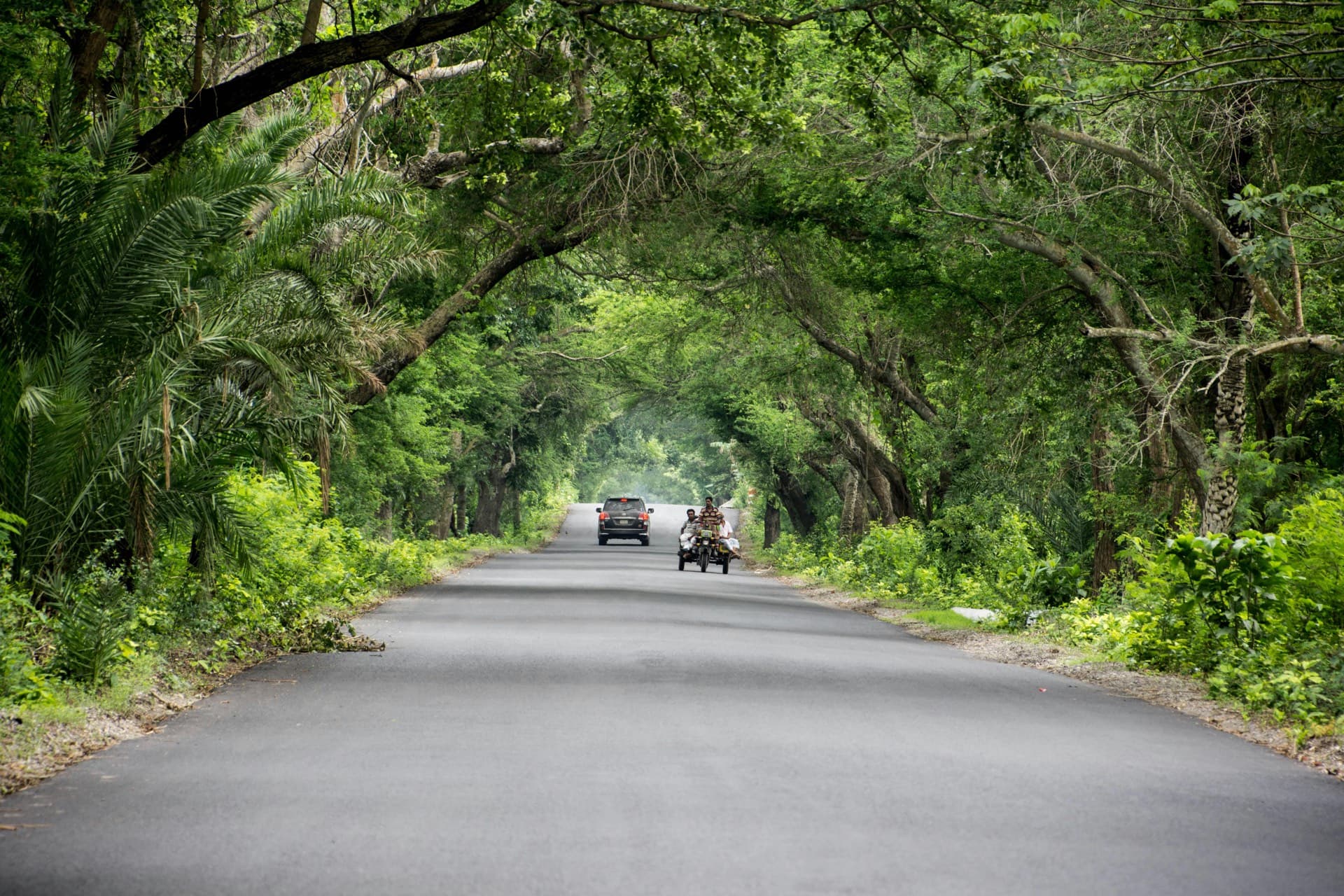
GNIX Technologies LLP plans, plants and maintains green infrastructure across India — expressway corridors, city programmes, campuses and green walls — with the maintenance regime designed in from the start.
We are an execution company. Most of our work arrives as a plantation or landscape package on somebody else's programme — an expressway under construction, a campus being handed over, a city beautification deadline — and our job is to make the green part of it work within those constraints and still be alive two summers later.
That has produced a particular way of working. We read the site before the drawing, we map species to conditions rather than repeating a palette, we plant with the monsoon wherever the programme allows, and we push hard for the maintenance scope to be contracted alongside the planting. Splitting those two is the single most reliable way to lose a plantation, and we would rather argue about it at tender stage than explain a survival count later.
The firm was incorporated in 2016 and is founded by leadership from IIT Delhi, which mostly shows up as a bias towards measurement: chainage-wise registers, survival counts, documented irrigation schedules, and a preference for saying what a site can realistically sustain rather than what a rendering promises.
Executed and ongoing work covers Delhi, Uttar Pradesh, Haryana, Rajasthan, Punjab, Odisha, Telangana and Andhra Pradesh. Clients include the National Highways Authority of India; developers and EPC contractors including Adani Road Transport, GR Infraprojects, H.G. Infra, Ashoka Buildcon, Montecarlo, NKC Projects, PRA India and Riddhi Corporate Services; development authorities in Noida, Greater Noida, Prayagraj and Jalandhar; and private clients including Omaxe, The Oberoi, Claridges, Tech Mahindra, Mercedes-Benz and IIT Delhi.
How we think
A planting register is an invoice. A survival count eighteen months later is the actual result, and it is decided by pit work, timing and water rather than by species glamour.
Every scheme is maintained by whatever budget is actually funded. A simpler palette maintained properly beats an ambitious one maintained occasionally, every time.
Soil, salinity, rainfall and winter temperature change along a corridor and across a campus. A single plant list applied everywhere is a set of failures waiting to be counted.
We would rather lose an item of scope than install a green wall with no maintenance access or a foxtail palm avenue in a frost belt. Both come back as the client's problem and our reputation.
Evidence
CompletedExpressway
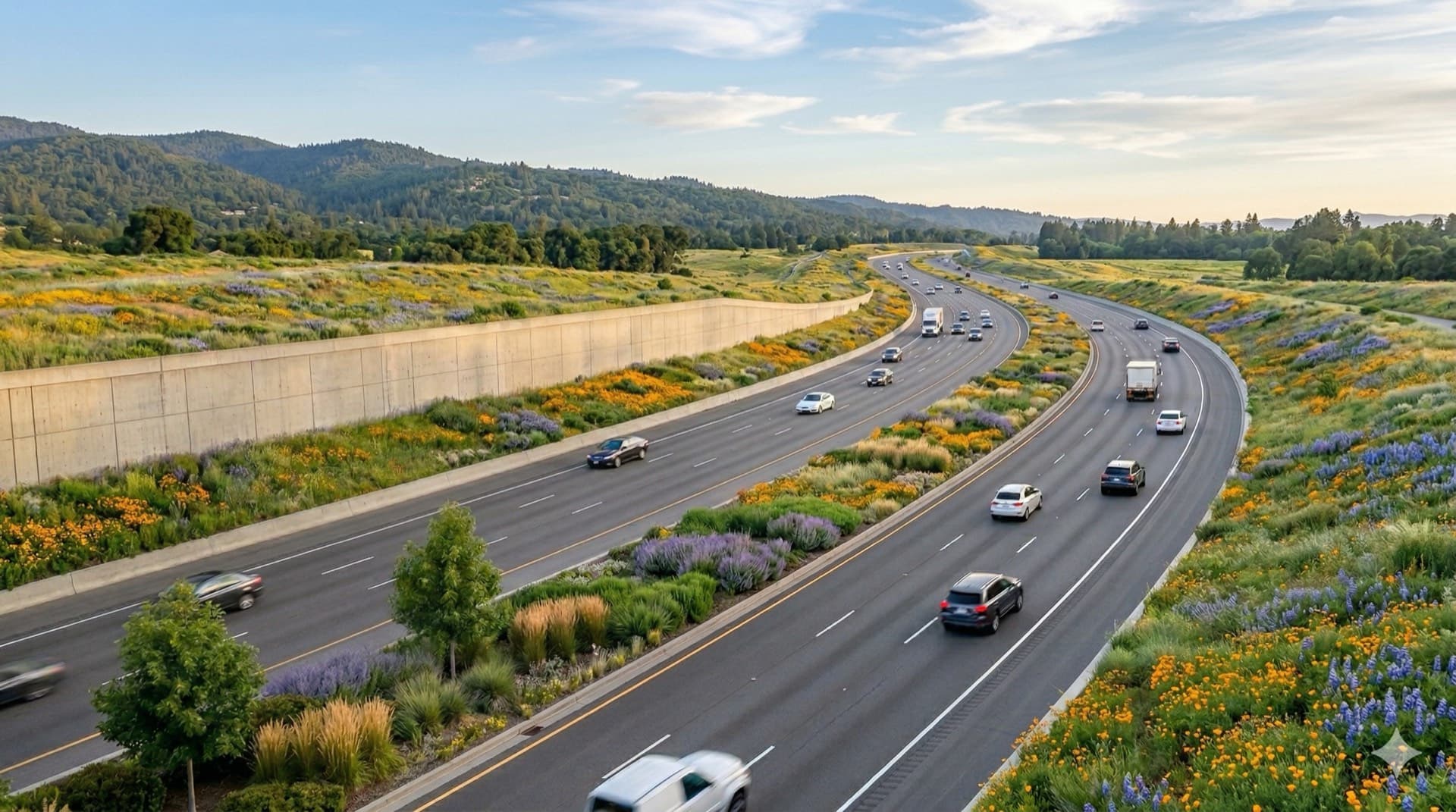
Avenue and median plantation with maintenance on one of the most heavily used access-controlled corridors in the National Capital Region.
CompletedExpressway
Structured plantation and sustained maintenance on a major NCR bypass corridor built to divert heavy vehicle traffic around Delhi.
CompletedVertical garden
Modular green walls installed and maintained across three flyovers, turning grey infrastructure surfaces into continuous planted facades.
GNIX Technologies LLP operates from Farm 18, Nature View Farms, Sector 150, Noida, Uttar Pradesh 201306, India, with crews deployed to project sites across northern, western and southern India.
No. Corridor plantation is our largest single category, but we also deliver campus and township landscaping, vertical gardens on buildings and infrastructure, city beautification for development authorities, and long-term greenery maintenance.
Both, but our strength is execution and the advisory that makes execution work — species selection against soil and water, pit and irrigation specification, phasing and maintenance planning. We also review designs prepared by other consultants.
Yes. Most of our expressway work is delivered as the plantation and landscape package under a main civil contractor, and we are used to working within their programme, safety systems and traffic management.
Write to hello@gnix.in or call +91 81058 70564. Site details and drawings help, but a description of the problem is enough to start.