
Waste stream assessment
Quantified generation by category and location over a representative period, not an estimate from headcount.
Sustainability
Practical waste systems for campuses, industrial sites and townships — segregation that people actually follow, on-site organic processing, and documentation that satisfies compliance.
Waste systems fail on behaviour, not on equipment. Sites install colour-coded bins, publish a policy, and then find every stream mixed again within a month because the collection process merges them, or because the bins are in the wrong place, or because nobody owns the outcome.
A workable system starts with measurement — what is actually generated, in what quantities, where — and then designs collection around how the site already moves. On most Indian campuses the largest single stream is organic waste from canteens and landscape trimmings, and processing that on site removes both a disposal cost and a compliance headache.
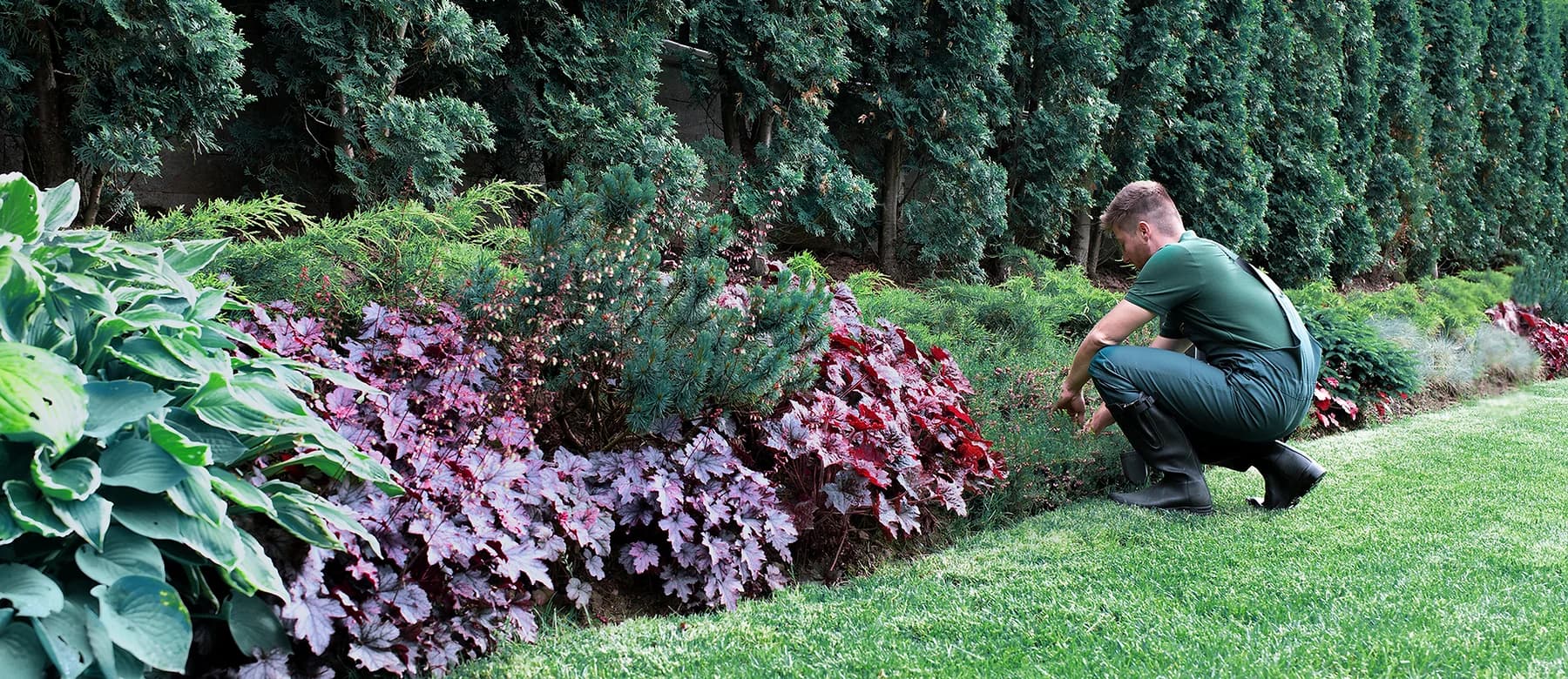
Landscape waste is our particular angle. Grass clippings, hedge trimmings and leaf litter are a substantial stream on any large planted site, and composting them back into the beds closes a loop that most facilities pay twice to break.
| Baseline period | 2–4 weeks of measured generation data |
|---|---|
| Largest stream | Organic waste on most campuses — canteen plus landscape trimmings |
| Compost offtake | Landscape beds absorb most on-site compost, closing the loop |
| Failure mode | Segregated at source, merged at collection — the most common problem |
Scope
Quantified generation by category and location over a representative period, not an estimate from headcount.
Bin types, placement, signage and a collection process that preserves segregation instead of undoing it.
Composting or bio-digestion sized to the actual organic load, with the landscape as the offtake for compost.
Clippings, prunings and leaf litter composted and returned to beds rather than removed as waste.
Authorised recycler and disposal routes, with documentation trail for each stream.
Housekeeping and facilities training, plus record formats for regulatory and audit requirements.
Method
Plant library
Each entry carries mature size, spacing, water demand, planting window and the maintenance cycle it commits you to.
Cynodon dactylon "Selection No. 1"
India’s standard hard-wearing lawn grass: fast to establish, cheap to lay, recovers from footfall, and the only sensible choice where people actually walk on the lawn.
Sphagneticola trilobata
The fastest green cover in Indian landscaping — a yellow-flowered creeper that blankets slopes and bed edges in months, and needs a hard edge because it will not stop.
Duranta erecta "Golden Edge"
The bright chartreuse hedge that gives Indian landscapes their colour block — fast, cheap, endlessly clippable and visible from a distance without any flowers at all.
Almost always at collection. Streams separated correctly at the bin get merged into one trolley or one truck, and once staff see that happen, source segregation collapses. Fix the collection chain before buying more bins.
Yes, and it should be. Clippings, prunings and leaf litter compost well, and the finished product goes straight back into the beds — removing a disposal cost and a fertiliser cost at once.
It depends on the organic load and the method — windrow composting needs considerably more area than a contained bio-digester. Sizing follows from the measured baseline, which is why the measurement step comes first.
Read next
Maintenance · 4 min read
How to write and evaluate a landscape AMC — frequency tables, measurable standards, replacement turnaround, irrigation servicing, reporting and the pricing models that quietly guarantee decline.
Read the guideSustainability · 4 min read
What a green audit measures, how to run one, and the findings that recur on Indian sites — water balance, irrigation waste, waste streams, green cover and the roadmap that turns data into decisions.
Read the guideRelated
Sustainability
A structured baseline of how a site actually performs on water, waste, energy, landscape and biodiversity — with a prioritised roadmap instead of a certificate.
Service detailAnnual contract
Annual maintenance contracts that keep planted assets looking deliberate — with a written calendar, defined KPIs and reporting instead of an unscheduled crew.
Service detailSustainability
Catchment-based rainwater systems for campuses, townships and infrastructure sites — sized from real rainfall and roof area, and integrated with landscape irrigation.
Service detailSend the site details, the drawings if you have them, and the maintenance budget you expect. You will get an honest read on species, timing and what the site can actually sustain.